
How Does High Oxygen Barrier Packaging Keep Food Fresher? A Review of Four Major Application Scenarios
Food freshness is a race against oxygen. The value of high oxygen barrier packaging film is to extend the "track" of this race. Centered on the oxygen barrier capabilities of the XD series, Xindun has developed multiple application solutions for different categories.
Meat:Vacuum packaging for fresh meat and cut meat — high oxygen barrier delays oxidative discoloration, puncture resistance prevents bag breakage from bones, and the barrier is maintained after boiling/retorting, locking in freshness and juices.
Braised food:High-temperature sterilization packaging for braised eggs, braised duck feet, braised dried tofu and other braised food — no delamination during retorting, aroma and flavor retention, odor barrier, resistance to lipid oxidation, and transparency for better shelf appeal.
Nuts:High oxygen barrier packaging effectively prevents lipid oxidation and rancidity, maintains crunchiness and aroma, and extends shelf life.
Wet pet food and baby food:High-temperature retorting sterilization is safe and reliable — chlorine-free, recyclable, transparent, with barrier properties unchanged after retorting, making safety and quality visible.
Different categories, one common need: both require "a longer fresh-keeping period" and "more reliable packaging." This is precisely the significance of Xindun's deep cultivation in the green packaging new materials sector.
More news recommendations
Related Reading
-
 2026.09.10
After retorting, the barrier remains as good as new: Xindun Technology unveils its brand proposition, replacing aluminum foil and PVDC with transparent high-barrier solutions.
-
 2026.06.01
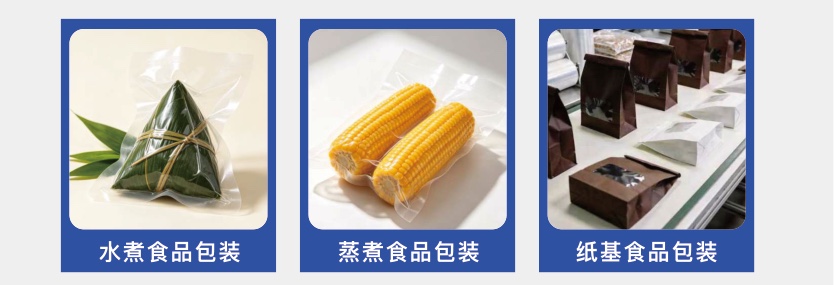
Xindun bio-based high oxygen barrier packaging film enters mass delivery, with a dual-series product matrix of boilable/retort films taking shape.
-
 2026.04.14
From Lab to Production Line: How Nanocellulose Gives Packaging Film an "Oxygen Barrier Shield"
-
 2026.04.10
Selection Guide: What Is the Difference Between Boilable Film and Retort Film? Understanding XD-100 and XD-121 in One Article