
Xindun bio-based high oxygen barrier packaging film enters mass delivery, with a dual-series product matrix of boilable/retort films taking shape.
Recently, Guilin Xindun Technology Co., Ltd. announced that both the XD-100 high oxygen barrier boilable film and the XD-121 high oxygen barrier retort film have achieved stable mass production and delivery. The shipment pace and batch consistency of the "boilable + retort" dual-series products have been recognized by downstream customers, marking the initial formation of Xindun's bio-based high oxygen barrier packaging film product matrix.
Xindun has incorporated a CNC nanocellulose core functional layer into the multi-layer lamination structure: the XD-100 is designed for 100°C high-temperature boiling scenarios, with an oxygen transmission rate (OTR) of only 0.6 cc/(m²·day·atm) before boiling; the XD-121 is designed for 121°C high-temperature retorting scenarios, with an oxygen transmission rate (OTR) as low as 0.4 cc/(m²·day·atm), and maintains a low transmission level of 0.5 even after retorting.
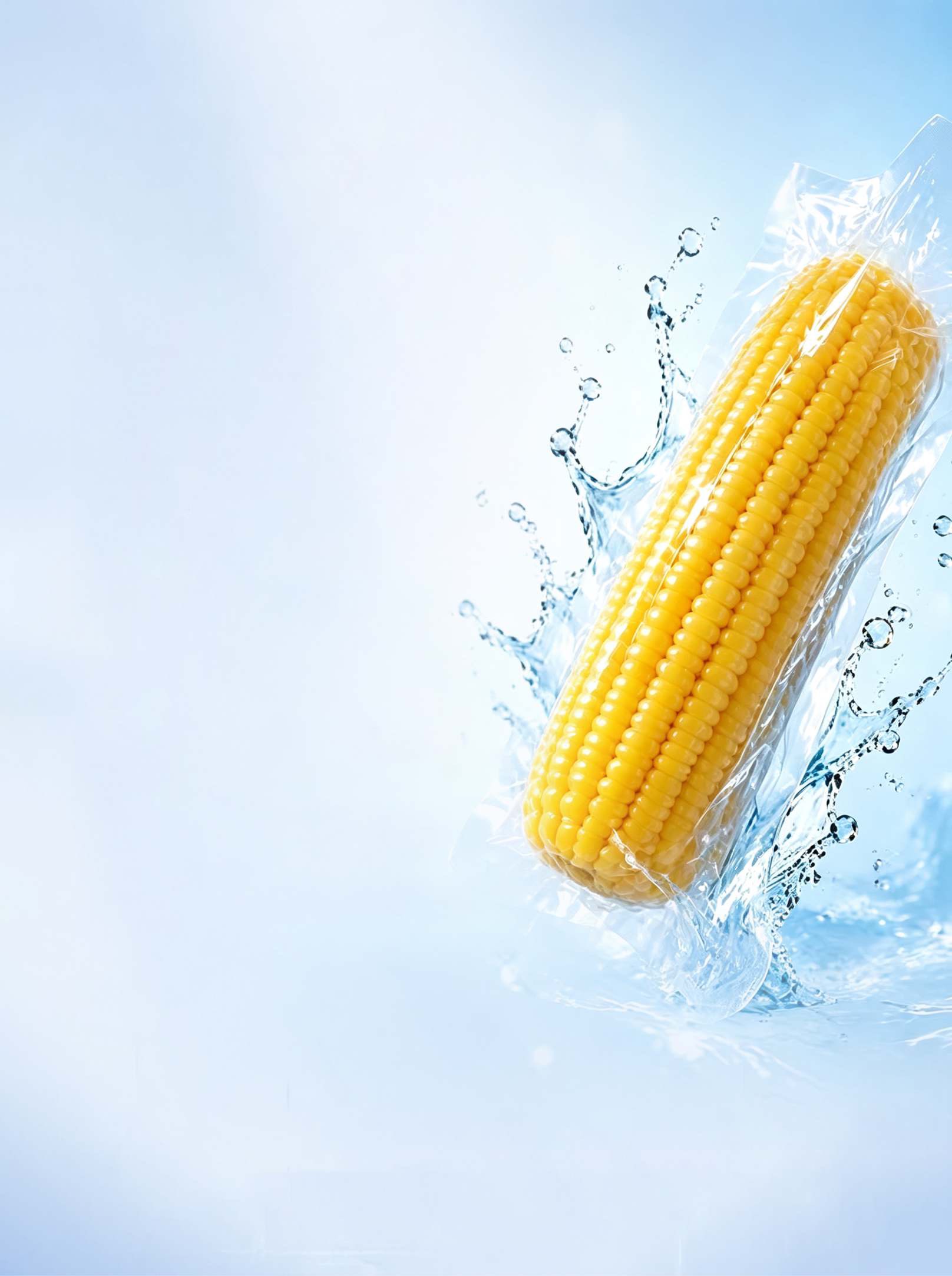
From high-temperature boilable packaging for rice noodles, braised food, cooked food, and zongzi, to high-temperature retort packaging for corn, fresh prepared food, and wet pet food, the XD series is bringing oxygen barrier fresh-keeping capabilities into more and more everyday food products. Xindun stated that it will continue to expand its product matrix in the future, providing green, safe, and recyclable packaging material solutions to customers across more industries.
More news recommendations
相关阅读
-
 2026.09.10
After retorting, the barrier remains as good as new: Xindun Technology unveils its brand proposition, replacing aluminum foil and PVDC with transparent high-barrier solutions.
-
 2026.04.14
From Lab to Production Line: How Nanocellulose Gives Packaging Film an "Oxygen Barrier Shield"
-
 2026.04.10
Selection Guide: What Is the Difference Between Boilable Film and Retort Film? Understanding XD-100 and XD-121 in One Article
-
 2026.03.08
How Does High Oxygen Barrier Packaging Keep Food Fresher? A Review of Four Major Application Scenarios